
June 8, 2026
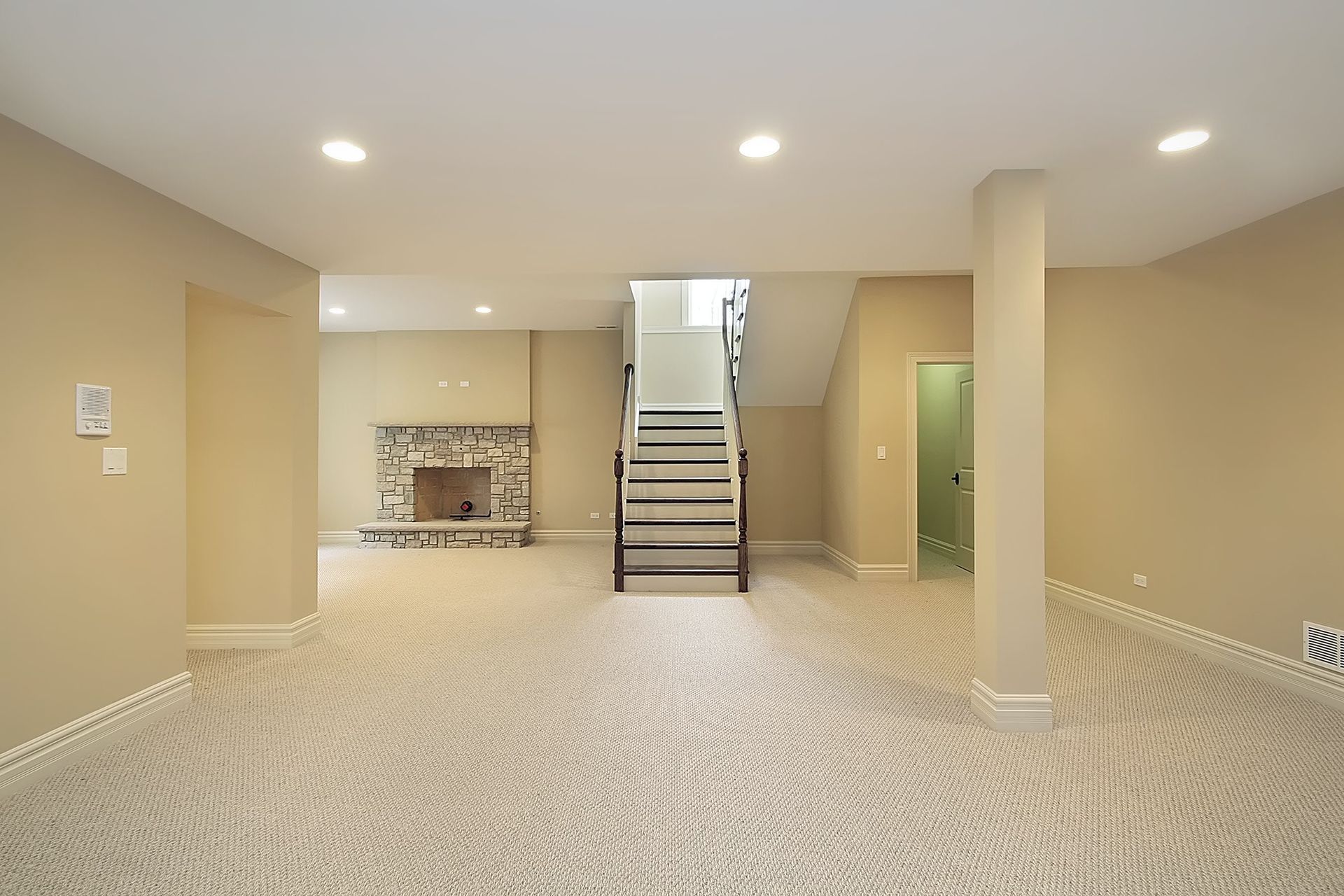
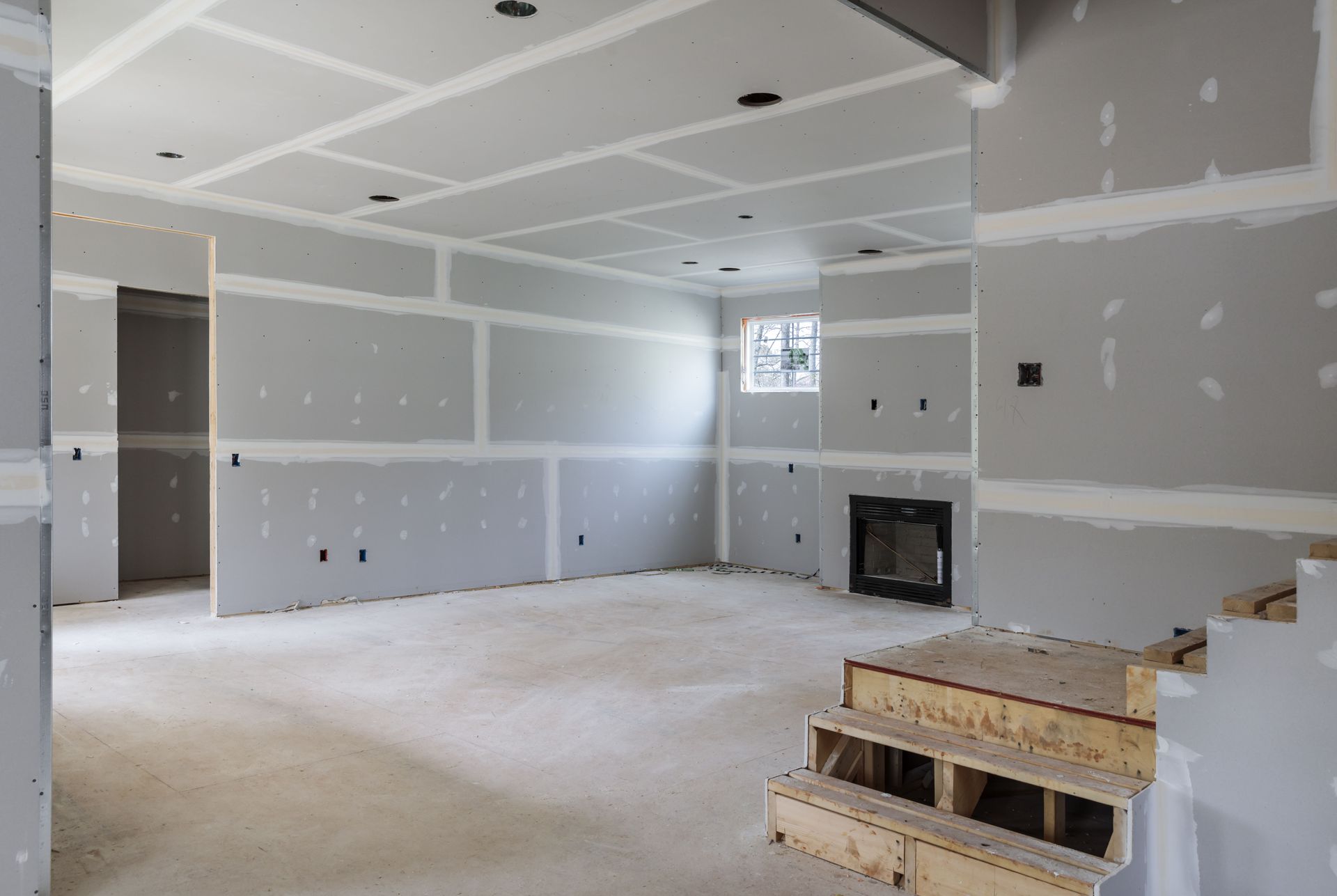
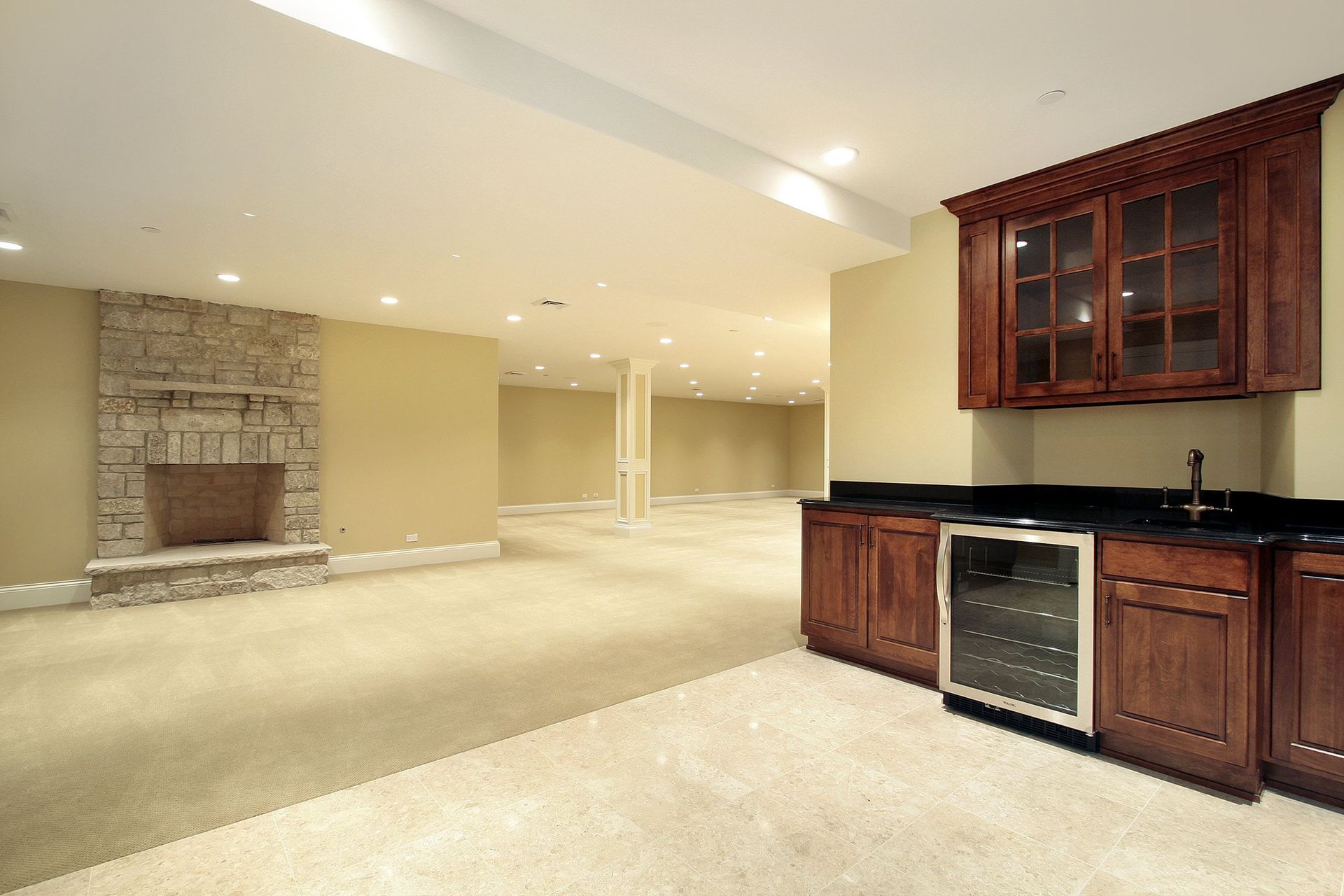
Basements often hold unused potential that can be turned into practical living areas, storage solutions, or multipurpose rooms with the right planning and approach. This article explains how improvements guided by local basement remodelers can expand usable space, improve comfort, and support long-term property function. It also looks at how local basement remodelers approach layout, structure, and design choices that help transform lower levels into more functional environments for everyday use.
1. Assessing Usable Space Opportunities
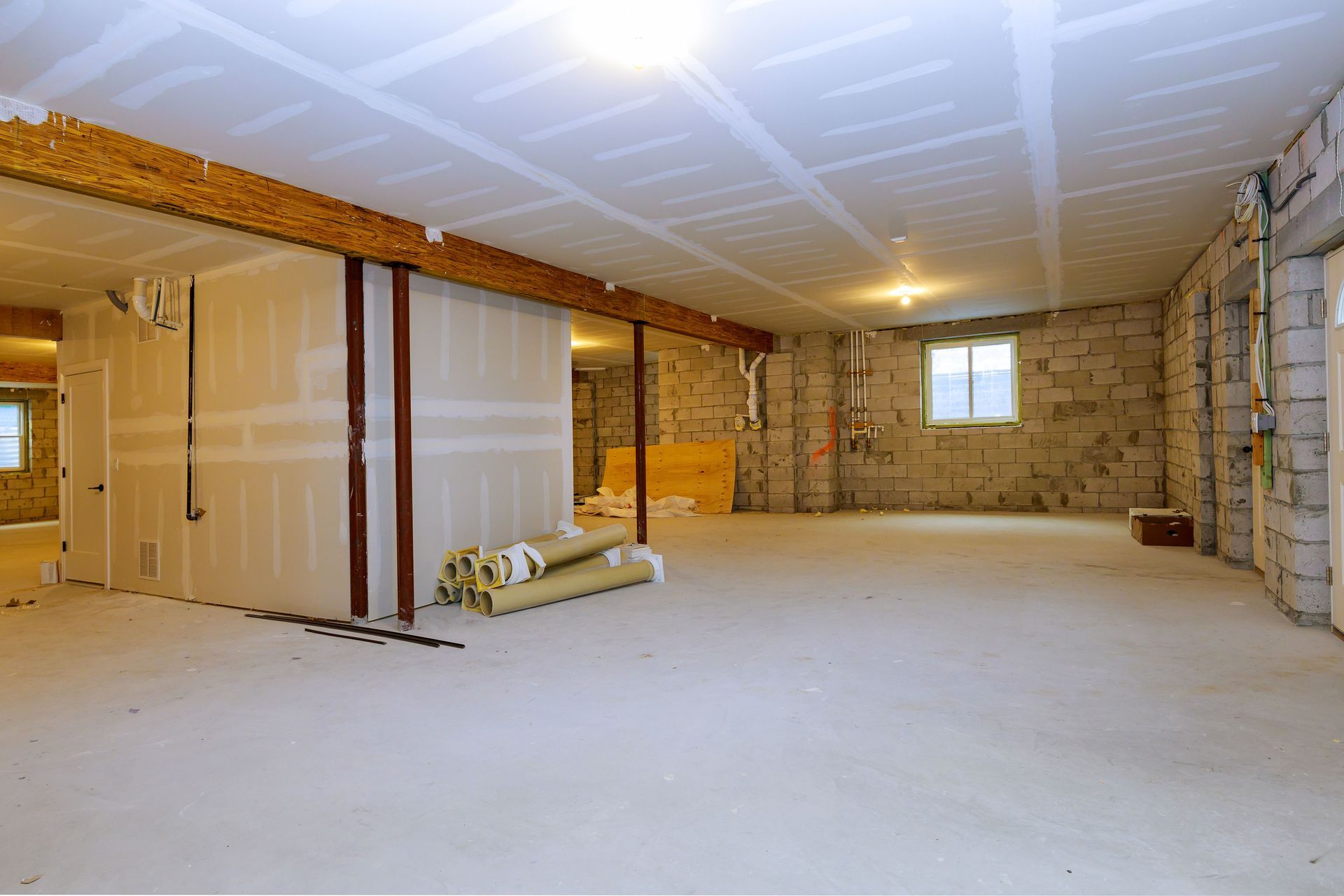
A basement often contains areas that are not being used to their full potential due to layout limitations, lighting conditions, or unfinished surfaces. Local basement remodelers begin by reviewing the space to understand how each section can be better used. This process helps identify areas that can support living space, storage, or activity zones without overcrowding the structure. Careful evaluation of dimensions, ceiling height, and structural layout helps shape realistic plans for improvement.
Local basement remodelers focus on understanding how the space currently functions before suggesting changes. This allows each section to serve a clearer purpose once adjustments are made. Space planning also involves looking at movement flow. Open pathways and clear zones make a basement feel larger and more usable. With guidance from Local basement remodelers, unused corners and uneven layouts can be restructured into practical areas that support daily needs. Over time, this approach helps create a balanced environment where every part of the basement contributes to overall function.
2. Improving Layout Efficiency
A well-planned layout can significantly change how a basement is experienced and used. Local basement remodelers focus on organizing space in a way that supports natural movement and reduces wasted areas. This helps turn previously underused sections into active parts of the home. Layout improvements often involve dividing space into zones based on intended use. These zones may support relaxation, storage, or general activity. A local basement remodeler helps shape these divisions so that the basement feels structured without becoming crowded.
Clear layout planning also improves accessibility. When pathways and open areas are designed with purpose, the space becomes easier to navigate. Local basement remodelers often evaluate entry points, corners, and transitions between sections to support smoother movement throughout the area. A more efficient layout can also help improve how light and air move through the basement. This contributes to a more comfortable environment that feels more open and practical for everyday use.
3. Expanding Lighting and Comfort
Lighting plays a major role in how usable a basement feels. Many basements have limited natural light, which can make the space feel smaller than it actually is. Local basement remodelers often look for ways to improve brightness and balance lighting across different areas. Better lighting distribution helps reduce dark corners and creates a more even atmosphere. This allows the basement to feel more open and comfortable. A local basement remodeler also considers how lighting interacts with layout choices so that each area remains functional and visually clear.
Comfort is also influenced by temperature and airflow. A basement can feel very different depending on how air moves through the space. Local basement remodelers often account for these conditions when planning adjustments so that the space remains steady and usable throughout the year. By improving both lighting and comfort, the basement becomes more suitable for extended use and daily activity.
4. Upgrading Safety and Structure
A functional basement must support safe and stable conditions before any major improvements can take place. Local basement remodelers review structural elements to identify areas that may need reinforcement or adjustment. This helps create a solid foundation for any future changes. Safety considerations often include ceiling height, floor condition, and structural integrity. Proper evaluation ensures that the space meets practical use requirements. A local basement remodeler focuses on aligning these conditions with planned improvements so that the space remains stable over time.
Factoring in structural limitations is an important step in planning usable space. For example, ceiling height can influence how a basement is used. According to Opendoor, basements with a ceiling height of at least 7 feet are ideal to convert into a bedroom. This information helps guide planning decisions and highlights why proper measurements matter when working with local basement remodelers. Once safety and structure are properly addressed, the basement becomes more suitable for a wide range of uses. This creates a stronger foundation for long-term usability.
5. Adding Functional Room Options
One of the main advantages of working with local basement remodelers is the ability to turn open space into clearly defined rooms with practical purposes. These rooms can serve different needs depending on the layout and available space. Common options include areas for relaxation, storage, work, or general use. Each section is planned based on how the space can be divided without reducing comfort. A local basement remodeler helps identify which layouts support multiple uses while keeping the space open and balanced.
Flexibility is also important when designing basement rooms. A single area may serve more than one purpose depending on how it is arranged. Local basement remodelers consider how each section can adapt to changing needs over time. This approach helps make the basement more useful in daily life while maintaining a clean and organized structure. With thoughtful planning, the space becomes more than just an unused lower level.
6. Increasing Property Value Potential
A well-designed basement can contribute to the overall value of a property by adding usable space and improving function. Local basement remodelers help create layouts that support long-term value by turning unfinished areas into practical environments. Usable square footage plays an important role in how a property is viewed. When a basement is fully functional, it adds meaningful space that can be used in many ways. A local basement remodeler focuses on making this space consistent, accessible, and well-structured.
Improved usability also affects how the property is experienced day to day. A more organized basement adds convenience and expands overall living capacity. Local basement remodelers help shape this improvement by focusing on practical design choices that support long-term use. Over time, these upgrades can make the property more appealing by offering additional functional areas that support a range of activities.
7. Understanding Conversion Standards
Basement conversions often depend on specific physical conditions that determine how the space can be used. Local basement remodelers take these conditions into account when planning changes that improve usability. Ceiling height, ventilation, and structural layout all influence how a basement can be transformed. These factors guide decisions about room placement and overall design. Local basement remodelers use these conditions to shape realistic and effective plans for space improvement.
Proper conversion standards help ensure that the space remains comfortable and practical after changes are made. These standards also help define what types of rooms can be created within the available structure. A local basement remodeler evaluates these details carefully before moving forward with adjustments. Understanding these requirements allows for more accurate planning and better results. It also helps avoid designs that do not fit the physical limits of the space.
8. Enhancing Long-Term Usability
A basement becomes more valuable when it is designed for long-term use rather than short-term adjustments. Local basement remodelers focus on creating layouts that remain functional as needs change over time. Durable planning involves selecting layouts that can adapt to different uses. A space that works for multiple purposes offers greater flexibility. Local basement remodelers often design basements with this adaptability in mind so that the space remains useful for years.
Maintenance considerations also play a role in long-term usability. Easy access to key areas and simple layouts help keep the basement manageable. A local basement remodeler aims to create spaces that remain practical without unnecessary complexity. This approach helps ensure that the basement continues to provide value and function well beyond initial improvements.
Basements offer strong potential for expanding usable space when planned with care and structured design. Local basement remodelers help shape these areas into functional environments by improving layout efficiency, supporting structural stability, and creating practical room options that fit their needs. For property owners looking to improve their basement, contact GloRem today to work with knowledgeable local basement remodelers focused on practical and lasting results.