November 18, 2026
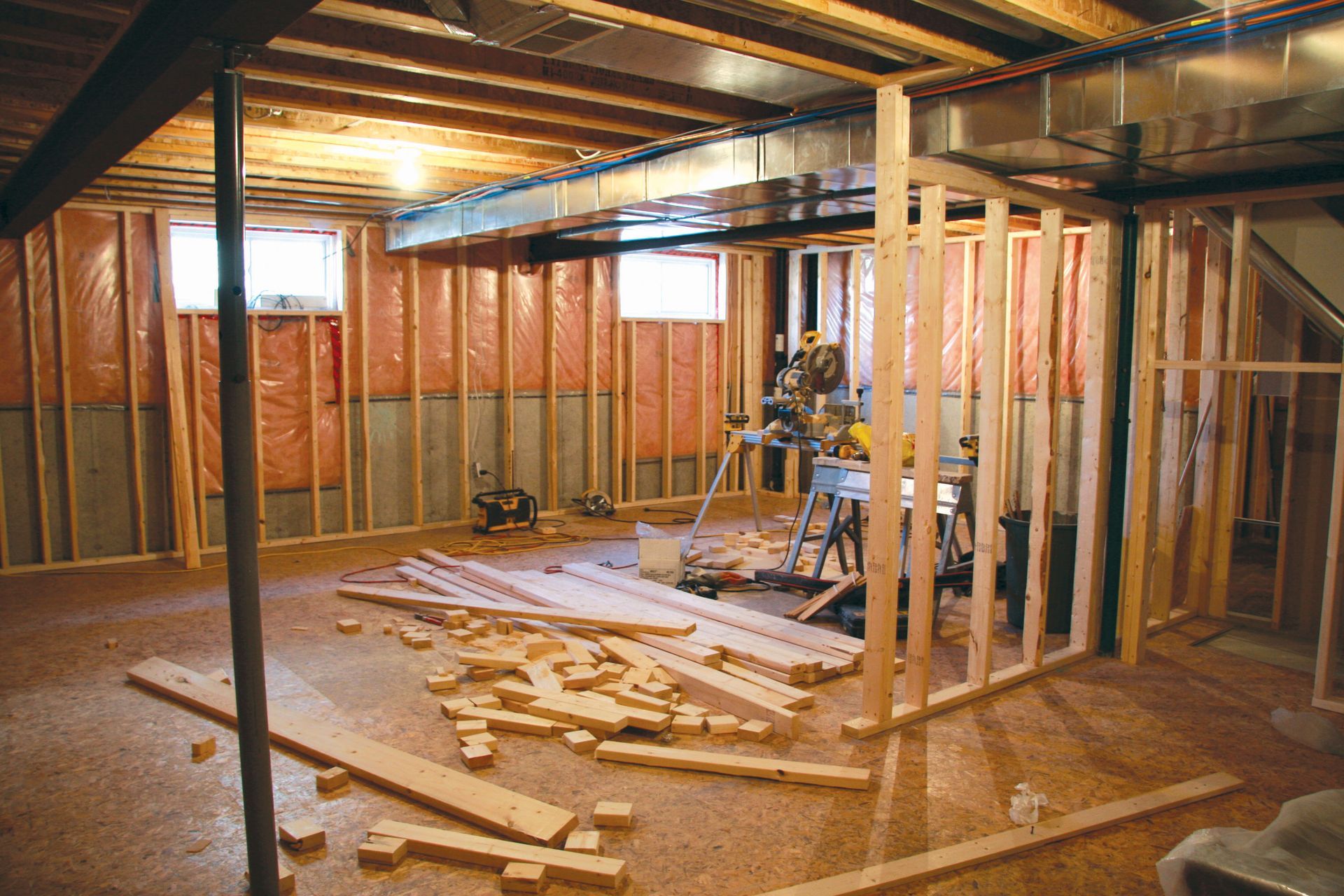
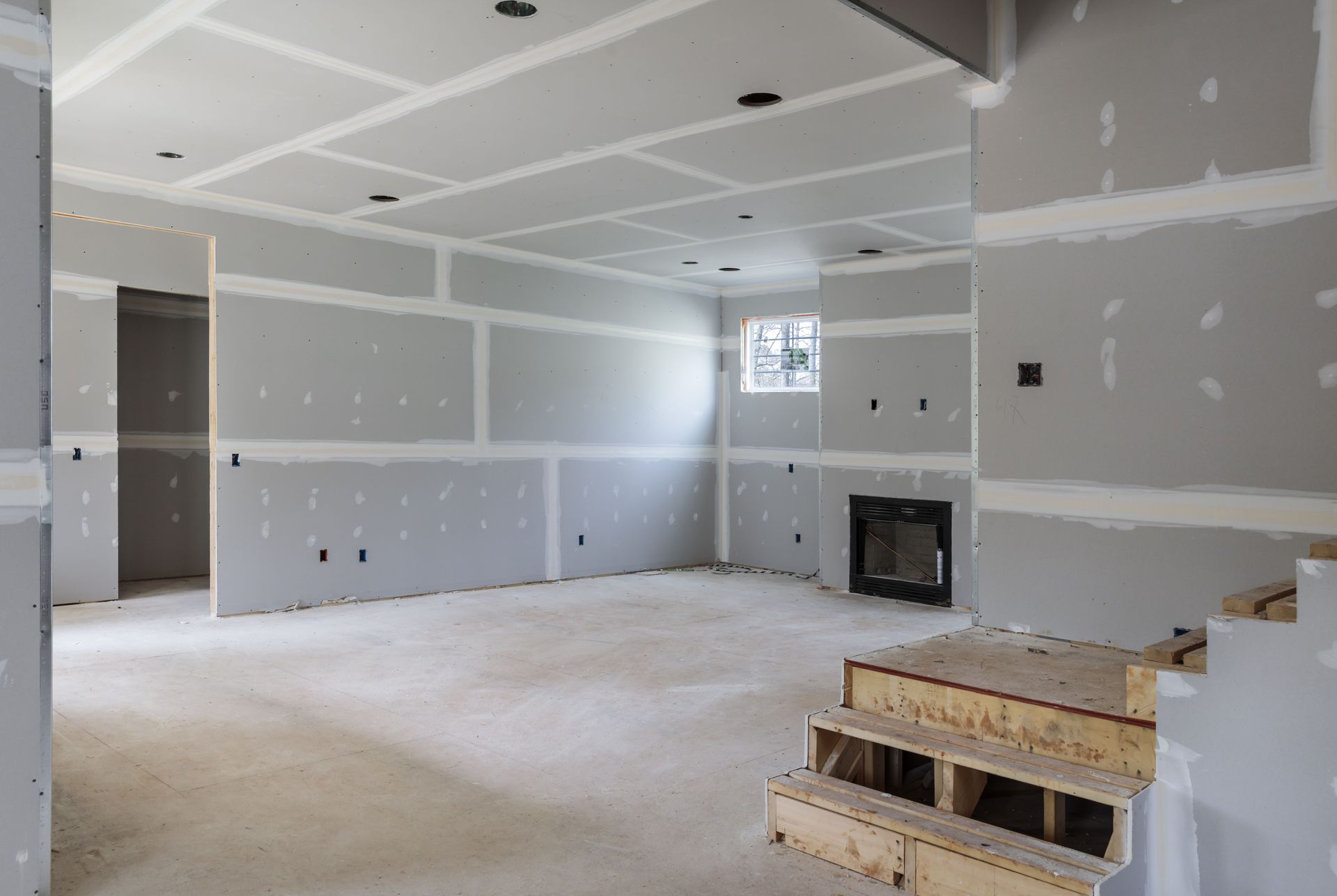
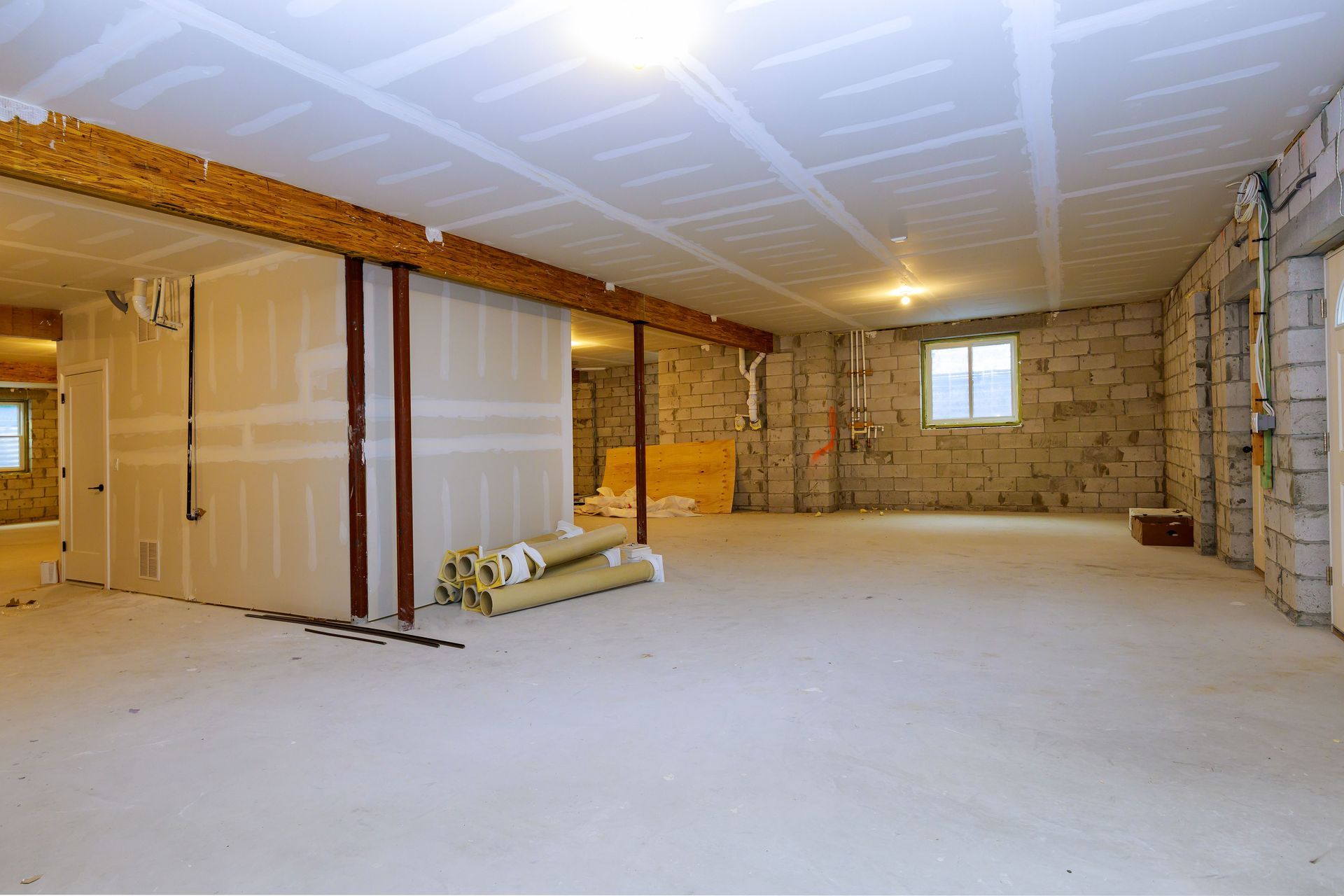
Homeowners often overlook how much a below-grade level affects indoor air quality, structural stability, and household comfort. Controlling dampness, waterproofing foundations, and purifying indoor air are essential for protecting the entire residence. Hiring a qualified basement remodeling service gives homeowners access to specialized diagnostics and proven building methods that solve hidden water issues at their source. Properly engineered renovations stop moisture before it damages framing, insulation, or finished walls.
1. Evaluate Basement Moisture Sources
External water intrusion frequently begins outside the foundation walls due to poor soil grading, clogged gutters, or inadequate exterior sealing that directs runoff toward the structure. High groundwater levels compound this issue by creating hydrostatic pressure against concrete walls and slabs, forcing moisture inward and threatening structural integrity. Professionals start by inspecting the surrounding landscape, downspouts, and subsurface drainage conditions to locate where water accumulates around the home.
Elevated indoor humidity and everyday household leaks also contribute to persistent basement dampness. Because below-ground rooms feature cooler masonry surfaces and restricted natural airflow, warm humid air readily condenses on walls, windows, and cold pipes, encouraging mold growth and material decay. Plumbing drips, poorly vented bathrooms, unvented clothes dryers, and routine household habits release steady vapor into the enclosed space.
Rather than guessing where dampness originates, a thorough basement remodeling service relies on specialized diagnostic tools to pinpoint hidden trouble spots. Technicians combine visual inspections with calibrated moisture meters, hygrometers, and infrared thermal imaging cameras to trace water pathways behind finished walls. Detailed assessment reports then guide targeted corrective repairs that prevent recurring water damage and lower maintenance expenses.
2. Apply Comprehensive Waterproofing Solutions
Foundation cracks, tie-rod holes, and porous masonry joints serve as direct entry points for groundwater seepage. Left untreated, hairline fissures widen under seasonal soil movement and temperature shifts, allowing steady moisture penetration into living areas. Contractors seal these openings using structural polyurethane or epoxy injections before applying cementitious waterproof coatings and vapor barriers across interior walls to block dampness from passing through concrete.
Managing bulk water accumulation requires reliable collection and discharge systems engineered for heavy rainfall. Interior and exterior French drains use gravel trenches and perforated piping to intercept groundwater along the footing and channel it away from the structure. That collected water flows directly into a sealed sump basin, where a heavy-duty sump pump discharges it safely away from the foundation perimeter.
Modern waterproofing methods go beyond traditional tar coatings and basic sealants to deliver lasting protection under demanding soil conditions. An experienced basement remodeling service integrates crystalline waterproofing compounds, dimpled drainage boards, and backup pumping systems that keep operating during severe storms and power outages. Investing in layered waterproofing safeguards both finished interiors and the home's structural foundation.
3. Install Effective Ventilation Systems
Stagnant air traps excess moisture, musty odors, and airborne contaminants inside below-grade rooms. Proper ventilation replaces stale, humid air with fresh outdoor air to keep condensation and microbial growth under control. Depending on the floor plan and local building codes, contractors often combine quiet exhaust fans, balanced air exchangers, and operable egress windows to maintain steady air circulation throughout every corner.
Connecting lower-level airflow with the home's primary heating and cooling equipment creates uniform comfort across every floor. Heat recovery ventilators and energy recovery ventilators capture thermal energy from outgoing exhaust air and transfer it to incoming fresh air, reducing utility bills while preventing humidity spikes. Balanced supply and return ductwork eliminates the cold, damp pockets that frequently plague unfinished cellars.
Every foundation layout presents distinct airflow challenges based on room partitions, ceiling height, and occupancy. A skilled basement remodeling service calculates airflow requirements for each zone and designs custom ductwork routes that prevent dead air spaces. Tailored ventilation keeps indoor humidity balanced all year while supporting fresher, cleaner air upstairs and downstairs.
4. Improve Indoor Air Quality
Below-grade spaces easily accumulate dust mites, mold spores, soil gases, and chemical vapors that circulate upward into main living areas through natural air convection. Air quality testing identifies elevated pollutant concentrations so specialists can install high-efficiency particulate air filtration units. Dedicated air purifiers continuously capture microscopic allergens, fine dust, and airborne irritants before residents breathe them in.
Controlling ambient moisture and selecting safer building finishes are equally vital for maintaining clean indoor air. Dedicated basement dehumidifiers automatically extract excess water vapor to maintain dry conditions during humid summer months. During construction, builders choose low-VOC paints, adhesives, sealants, and subflooring so new interior finishes do not release harsh chemical fumes into enclosed lower-level rooms.
Sustaining healthy indoor air requires routine upkeep well after construction wraps up. Partnering with a dependable basement remodeling service gives homeowners access to scheduled filter replacements, drainage checks, and calibrated humidity sensor inspections. Consistent preventive maintenance catches minor equipment issues early and keeps indoor air safe for sensitive family members.
5. Remediate Mold and Mildew Growth
Mold and mildew colonize damp drywall, carpeting, and organic wood framing rapidly after a water intrusion event. Active fungal colonies release microscopic spores and microbial volatile organic compounds that trigger allergic reactions, asthma symptoms, and chronic respiratory irritation. Specialists use thermal imaging and surface moisture readings to locate hidden fungal growth behind wall paneling and beneath subfloors before contamination spreads further.
Safe mold removal demands strict containment protocols rather than simple surface cleaning. Certified technicians isolate affected zones using sealed plastic barriers and negative air scrubbers, remove contaminated porous materials, treat structural framing with antimicrobial solutions, and dry the cavity completely. Eliminating both the visible colony and its underlying moisture source stops recurring outbreaks from developing.
Preventing future fungal growth depends on replacing organic, moisture-sensitive materials with resilient alternatives. A knowledgeable basement remodeling service installs inorganic wall panels, spray foam insulation, and mold-resistant subflooring that deny spores a food source. Combined with steady dehumidification and proper airflow, these durable assemblies keep renovated lower levels clean and odor-free.
6. Design Healthy Basement Environments
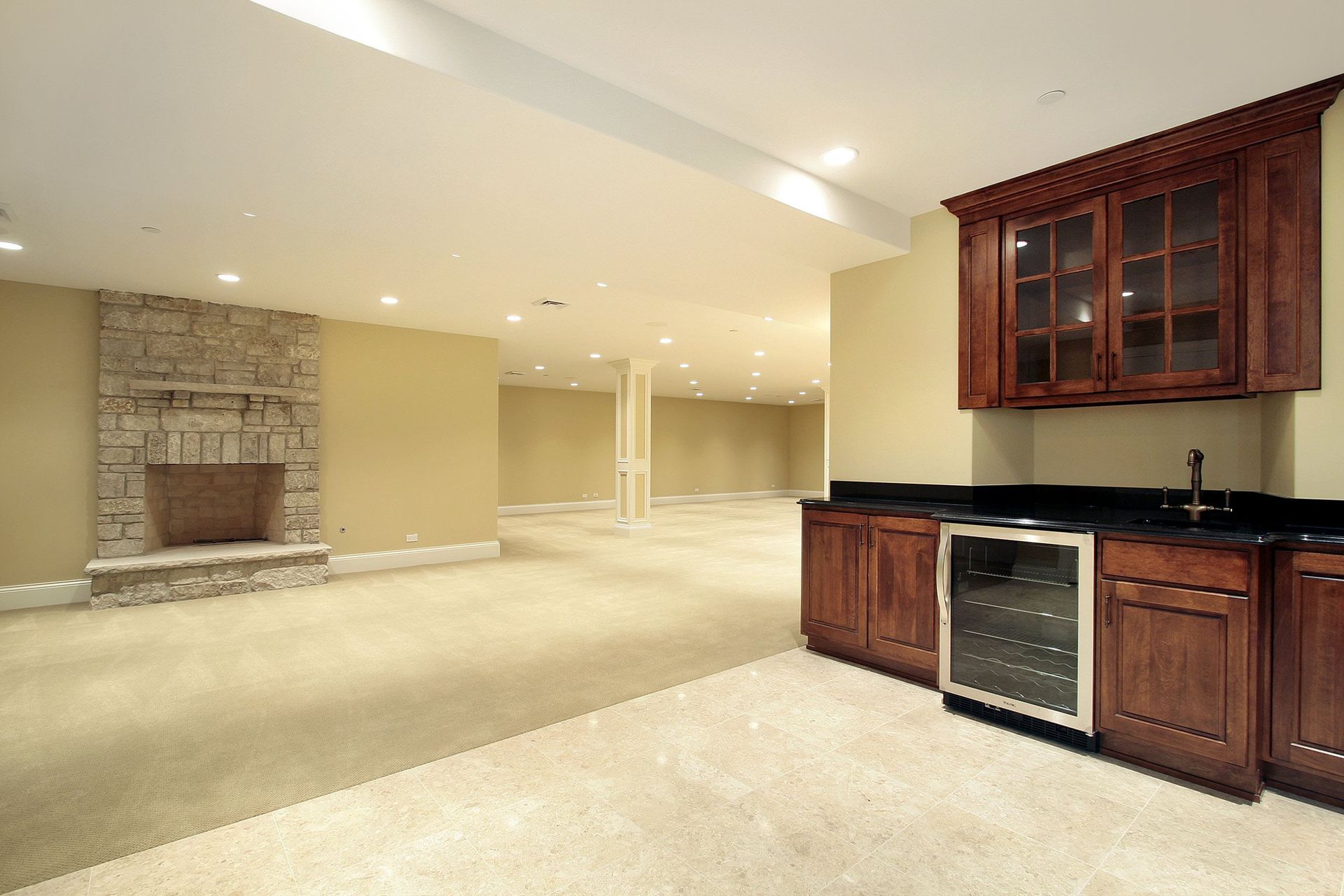
Thoughtful architectural design turns a gloomy cellar into a bright, restorative living area that adds valuable functional square footage to the home. Enlarged window wells, egress windows, and glass walkout doors bring in natural daylight that boosts occupant mood and discourages dampness. Layered LED lighting and continuous thermal insulation eliminate the dark, chilly corners that make unfinished basements feel uninviting.
Connected home sensors now make it simple to track temperature, relative humidity, and potential water leaks in real time from a smartphone. Automated alerts notify homeowners immediately if a sump basin rises or indoor humidity climbs above safe thresholds. Homeowners are increasingly investing in smart upgrades, as residential remodeling activity is projected to grow by 5% in 2025, followed by a nominal increase of 3% in 2026, according to NAHB Economist Eric Lynch.
Sustainable finishes and flexible floor plans maximize both environmental health and everyday usability. Choosing rapidly renewable flooring, recycled insulation, and safer cabinetry protects indoor air while lowering the home's environmental footprint. Working with a trusted basement remodeling service ensures open sightlines, storage solutions, and moisture-safe assemblies work together seamlessly for years of reliable comfort.
Combining thorough moisture diagnostics, layered waterproofing, balanced ventilation, and smart material choices transforms vulnerable lower levels into durable, healthy extensions of the home. Addressing water intrusion and indoor air quality together protects structural framing, prevents mold growth, and improves everyday comfort on every floor. When experienced professionals handle both building science and interior design, homeowners gain lasting peace of mind alongside valuable living space. Reach out to GloRem today so we can evaluate your basement and build a drier, healthier environment for your family.